
Concern Recovery Note Use the complete check on this page for one situation in your business.
Acknowledge first — then fix
Notice the concern, assign someone who can handle it, and separate acknowledgment from resolution. Tell the customer what you can actually do next.
A quick polite response doesn't prove the underlying issue is fixed.
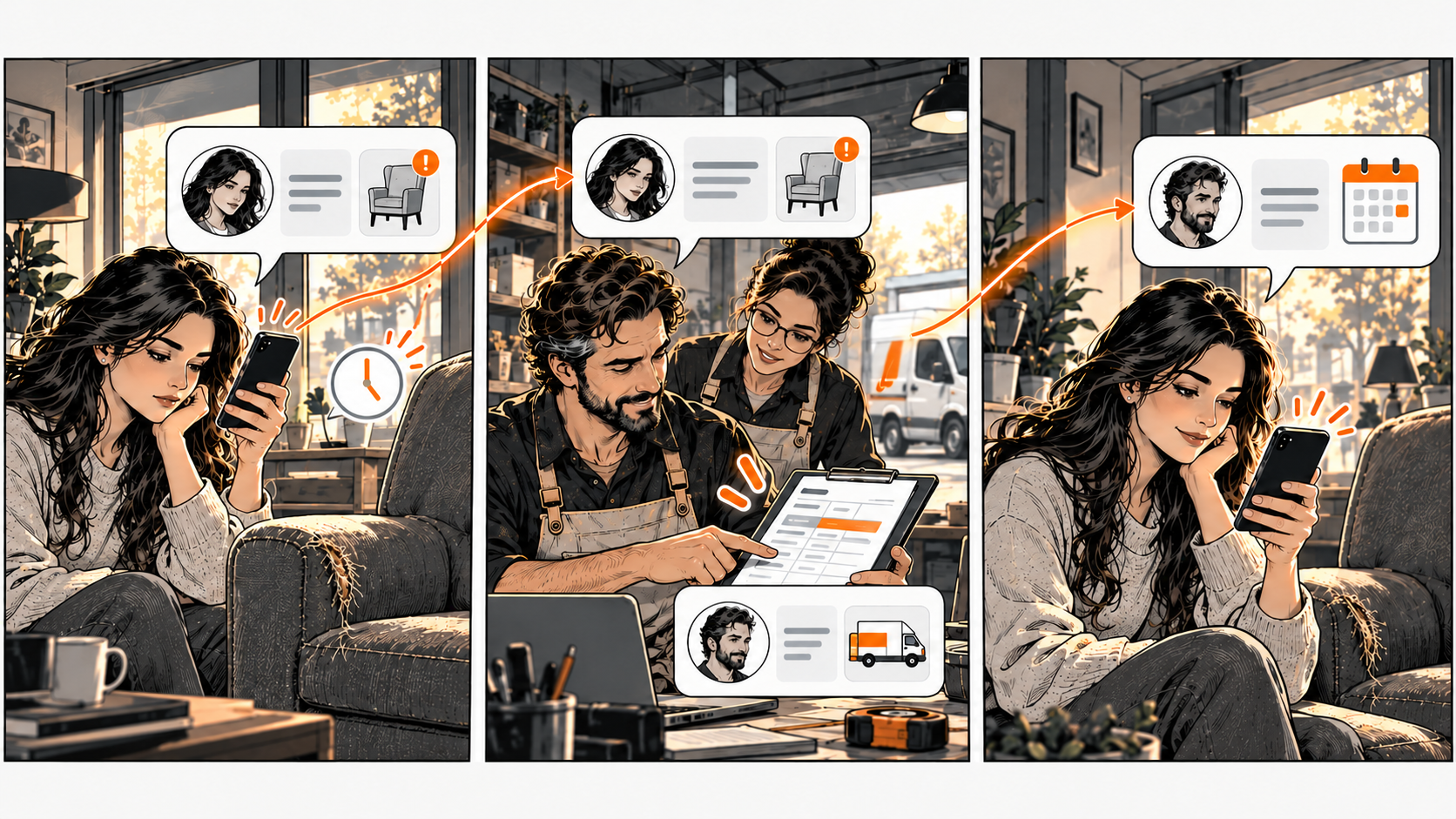
A furniture repair customer says the agreed collection time was missed. The message sits in a shared inbox, but each colleague expects someone else to reply. The first practical step: name the person who'll check what happened and arrange the next step.
Get the facts before you reply
Read the request and the relevant business record privately. Distinguish what the customer reports from what you've confirmed. Ask for missing details only when they change the action.
For the collection problem, the owner could check the appointment and speak with the driver before promising another time. A refund, exception, or other commitment needs the person who can authorize it.
Give an honest acknowledgment
A useful reply can say the concern has been seen, who's checking it, and when the customer can expect the next update — if that window is achievable. State a limitation when you don't yet know the answer. Don't offer a scripted resolution to a situation that needs judgment.
Google's guidance for public review replies recommends protecting privacy, being honest about limitations, and keeping responses professional. A private contact route can help a complex conversation — but it must not pressure the reviewer to remove their feedback.
Confirm the fix actually happened
After the responsible person acts, check whether the customer received the update and what remains unresolved. Record an anonymous lesson for the process — like unclear collection windows. Keep sensitive cases with the appropriate professional. A service concern must not become a marketing opportunity.
The Concern Recovery Note
Pick one real situation. Copy these five lines into your notes and fill them in. The complete tool is right here — no signup or email needed.
- Concern — What did the person report — without private details?
- Confirmed facts — What do you know and what still needs checking?
- Responsible person — Who can decide the next action?
- Update — What can you honestly tell the customer now?
- Readback — How will you confirm the action happened?
Example: missed furniture collection / appointment confirmed, driver status pending / owner checks / customer receives an agreed update window / owner confirms the revised arrangement was received.
If nobody has authority, assign the right person before making a commitment. If the update happened but the problem remains, keep the unresolved action visible.
Common questions
Should every negative review move to a private conversation?
No. Reply appropriately to the actual concern. A private channel may help with details, while a brief public acknowledgment can remain useful.
Is acknowledging the concern enough?
It's a first step. Check the corrective action and any remaining question before recording the issue as resolved.
Sources
Source: Google Business Profile Help, Tips to get more reviews: https://support.google.com/business/answer/3474122?hl=en